An early flight, an encounter with Maya heritage, and a memorable return to Lake Petén Itzá highlighted a day of discovery in northern Guatemala.
By Gunther Goldberg | Travel Konnections
Petén, Guatemala — October 18, 2026
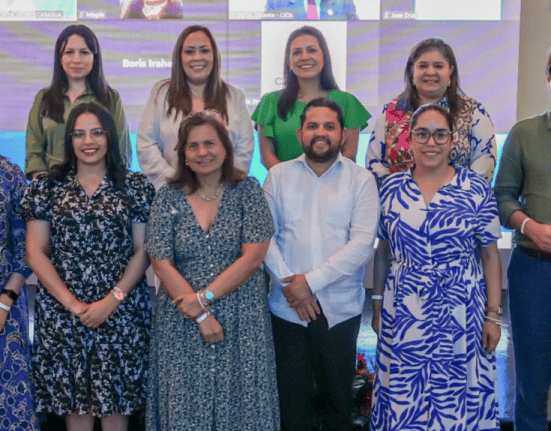
More than 40 tour operators from the United States, Europe, and Latin America traveled to Petén as part of the pre-tour activities for Centroamérica Travel Market, CATM 2026. For most participants, this was their first encounter with the destination—an opportunity to discover its archaeological heritage, experience its hospitality, and gain firsthand knowledge to share with future travelers.
The itinerary brought together the monumental architecture of Tikal, the flavors of Guatemalan cuisine, and the peaceful setting of Lake Petén Itzá.
An Early Flight and Attentive Service
The day began with an early departure from Guatemala City to Flores aboard a TAG Airlines ATR aircraft. The flight took approximately 50 minutes and provided a pleasant start to the journey.
Despite the short flight, the attentive onboard service made a positive impression. A delicious cup of coffee was particularly welcome after the early wake-up, helping passengers feel more alert and ready for the day ahead. The crew served it smoothly and comfortably, adding a thoughtful touch to the experience.
Upon arrival, breakfast was served aboard the bus during the transfer to Tikal. This practical arrangement allowed the group to continue directly toward the archaeological site and make the most of the morning.
Tikal: An Encounter with Maya History
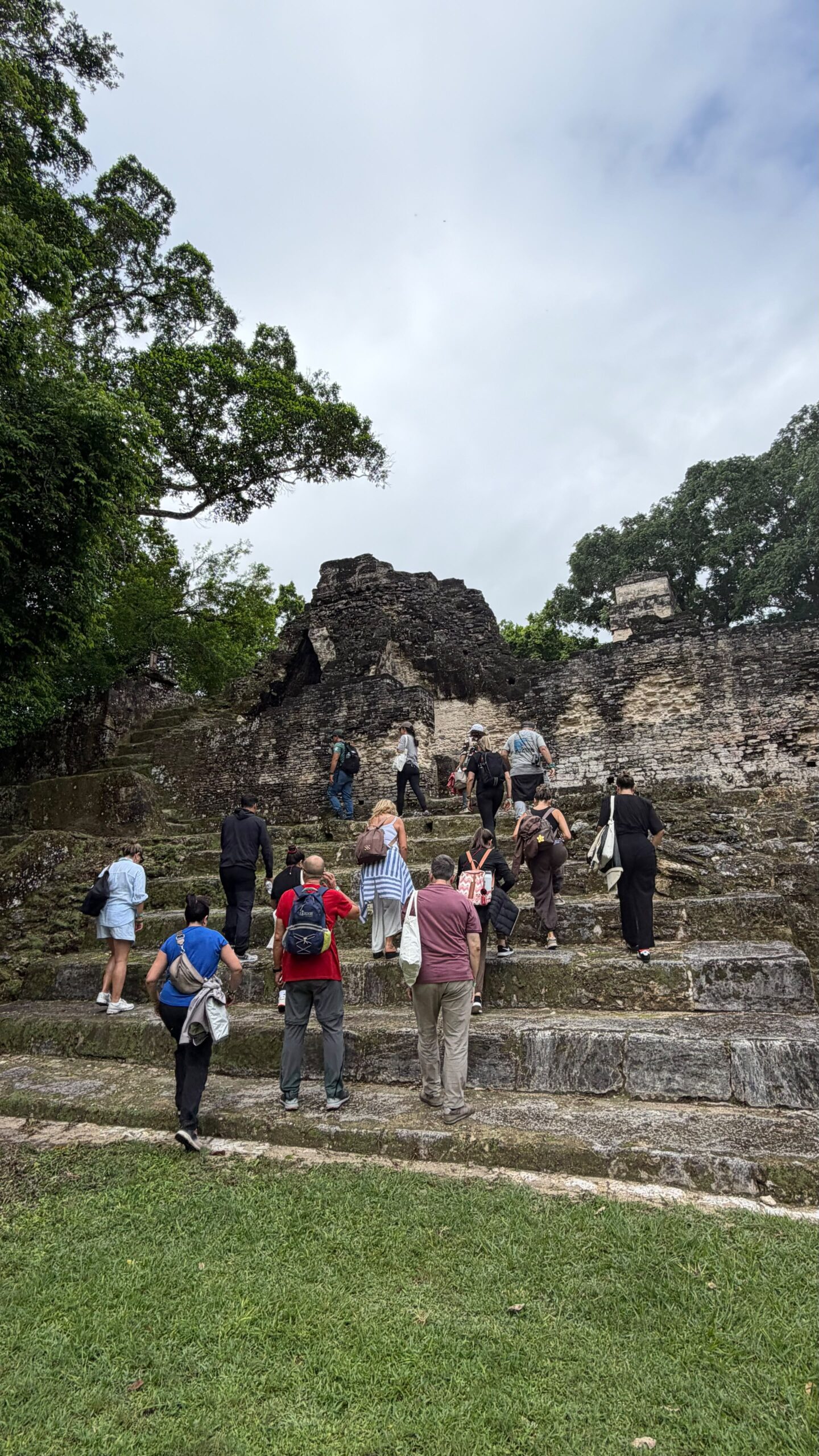
Walking through Tikal offers a powerful sense of the scale and achievement of the ancient Maya civilization. Beyond the forest trails, temples and plazas emerge from the vegetation, revealing a city whose architecture continues to inspire admiration.
Located in Guatemala’s northern department of Petén, Tikal was inhabited from the sixth century BC until the tenth century AD. Its archaeological remains document a sophisticated society with significant architectural, artistic, and scientific achievements. In 1979, UNESCO inscribed Tikal National Park on the World Heritage List for its cultural and natural significance.
Throughout the visit, our guides explained the historical context of the buildings and the meanings of words of Maya origin. Their interpretation helped participants connect the monuments with the people who built and inhabited the city, making the experience both informative and engaging.
The Temples and Architectural Landmarks
Among Tikal’s most recognizable monuments is Temple I, the Temple of the Great Jaguar, standing approximately 47 meters high on the eastern side of the Great Plaza. Opposite it rises Temple II, the Temple of the Masks, approximately 38 meters high.
Temple IV, the tallest structure at Tikal, is renowned for its views over the forest canopy, while Temple V, south of the Central Acropolis, reaches approximately 57 meters.
Other important architectural groups include Mundo Perdido, or the Lost World complex, associated with ceremonial activities and astronomical observations. The North Acropolis reflects the city’s royal and funerary traditions, while the palaces and courtyards of the Central Acropolis illustrate its residential and administrative life.
Together, these landmarks reveal Tikal as a complex urban center whose importance extended far beyond its monumental temples.
Much More Remains to Be Revealed
One of the most thought-provoking observations shared during the tour concerned how much of Tikal remains beneath the vegetation. Our guide estimated that only around 10 percent of the complex had been uncovered.
Although this percentage was an estimate provided during the visit, Guatemala’s cultural authorities confirm that Tikal contains thousands of structures, with only a small portion restored and accessible to the public. The visible monuments therefore represent just part of a much larger archaeological landscape.
For tourism professionals, this perspective adds depth to the destination. Tikal offers an opportunity to learn about an ancient civilization while understanding the continuing importance of archaeological research and conservation.
Tikal Go: Local Knowledge and Dedicated Coordination
The excursion was operated by Tikal Go, a company based in Flores, Petén, with more than ten years of operating experience. Owned by a local entrepreneur, the company serves the Petén region and other destinations in Guatemala.
Its team demonstrated considerable knowledge and dedication in accompanying more than 40 tour operators. With most participants unfamiliar with the destination, the guides’ explanations, patience, and willingness to answer questions were particularly valuable.
Coordinating a group of this size required care and flexibility. Afternoon rain slowed the pace at times, but we had enjoyed a spectacular morning that allowed us to explore Tikal and appreciate its remarkable setting.
Our sincere thanks go to Tikal Go and its entire team for their professionalism, hospitality, and effort throughout the visit. Their work helped participants gain a deeper understanding of the destination and the experiences it can offer their clients.
A Taste of Guatemala at El Mesón
Following the visit, the group gathered at El Mesón restaurant, where a selection of traditional dishes and a refreshing local beer provided a welcome opportunity to rest.
The meal also created time to exchange impressions. Conversations moved from the morning’s discoveries to ideas for future itineraries, demonstrating the value of experiencing a destination personally before presenting it to travelers.
Camino Real Tikal: A Return Filled with Memories
The journey continued to Hotel Camino Real Tikal, overlooking Lake Petén Itzá. For me, arriving at the hotel carried a personal significance: it was a return after 30 years.
My first visit had been with my children, and I still remember their expressions when they saw the lake for the first time. They were captivated by its beauty, and those shared moments became lasting family memories.
That same feeling returned when I entered my room on this visit and looked out across the water. Beautiful and immense, Lake Petén Itzá inspires a sense of calm. Its presence invites you to pause, breathe, and appreciate the surroundings. Seeing it again brought back the emotion of that first visit and the joy of having experienced it with my children.
The hotel retains the character I remembered, complemented by noticeable renovations and improvements. The lake’s clear waters invite a swim, while the changing light toward sunset makes the setting especially memorable.
The property offers a swimming pool, Jacuzzi, and traditional Maya temazcal sauna. Its spa, restaurant, and welcoming bar further complement the stay, offering places to relax after a full day of discovery.
A Refreshing Moment to Record the Experience
After settling into my room, a refreshing shower helped me unwind from the day’s activities. I then explored a little more of the hotel before finding a comfortable place to write this report, determined to capture the experience while every detail was still fresh.
There, I was served a Cimarrón, a refreshing drink prepared with lime, salt, and mineral water. Its bright citrus flavor was particularly welcome after a long day of walking and exploration.
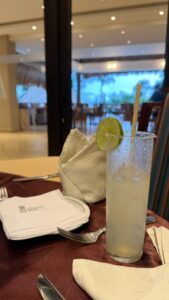
It was a fitting moment to reflect: a cool drink, a peaceful setting, and the opportunity to record a day filled with discoveries, conversations, and personal memories.
This CATM 2026 pre-tour demonstrated how Petén brings together archaeological heritage, local expertise, gastronomy, and hospitality in a rewarding travel experience.
For the participating tour operators, the visit provided practical knowledge and a stronger connection to a destination many were discovering for the first time. For me, it also offered the pleasure of returning to a place tied to cherished family memories and finding that its beauty remains just as moving three decades later.
From Tikal’s monumental temples to the calm waters of Lake Petén Itzá, the journey revealed a region that deserves time, thoughtful exploration, and a return visit.